
There is something slightly uncomfortable about a really good villain.

You know they are doing the wrong thing, you know the other characters are probably going to suffer because of them, and yet you still find yourself waiting for their next move. Sometimes they are more interesting than the hero, especially when they are clever enough to stay one step ahead of everyone else.
That has always been true in Indian drama, where a scheming relative, an ambitious rival or a charming person with questionable intentions can keep an entire plot moving.
The villain doesn’t even have to be completely evil. In fact, the more believable ones usually aren’t.
A character who lies because they are afraid of losing something feels more interesting than someone who simply enjoys causing trouble. Someone driven by jealousy can be understood even when their actions are actually difficult to defend. A person chasing money or status might make terrible choices, but the audience can still understand what they want.
That grey area is where things get interesting.
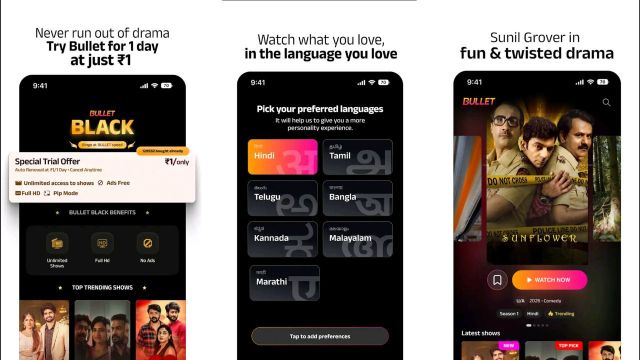
Take a title like Dhokebaaz Dilruba on Bullet. Even before watching it, the name suggests that romance and betrayal are likely to be tangled together. Farebi Dilruba carries a similar promise, with the word “farebi” immediately putting a question mark over the character at the centre of the relationship. The fun isn’t just in finding out who can be trusted. It is in watching how long the deception can continue before somebody notices.
That kind of tension works particularly well in drama because audiences often know something the characters don’t.
A person on screen may be convinced that everything is going according to plan, while viewers can already see the warning signs. Someone is being manipulated, a secret is being kept or a seemingly harmless decision is going to create trouble later. The audience has enough information to anticipate the disaster, but not enough to know exactly when it will happen.
That’s a pretty effective reason to keep watching.
Money and social status create another variation of the same idea. A character who appears ordinary may be hiding a fortune, while someone who looks powerful may have considerably less control over their life than everyone assumes. Khufiya Crorepati, Billionaire Waiter and OMG: Mera Baap Toh Bigshot Nikla all play with the idea that appearances can be misleading, although each approaches the premise differently.
The appeal of these plots isn’t really the money itself. It’s what happens when people discover that they were wrong about someone.
A waiter turns out to be wealthy. A seemingly ordinary father has a very different background. Someone who appears to have everything may have been hiding a completely different reality. Once that information enters the picture, relationships start changing because people rarely behave the same way after discovering a secret.
Microdramas have a natural advantage when it comes to these situations because they can introduce the deception early and then spend the following episodes dealing with its consequences. There isn’t much need for a lengthy setup when the central question is already clear: who is telling the truth, and who is getting away with something?
Bullet’s catalogue has plenty of room for that sort of dramatic uncertainty, alongside romance, family conflict, comedy and suspense. The shorter format also means a character’s questionable decision can have an immediate effect on what happens next, rather than being stretched across several episodes before the audience sees the consequences.
And perhaps that’s why audiences are willing to tolerate characters they would never tolerate in real life.
A fictional villain can lie, manipulate, hide their identity and make a complete mess of other people’s lives, while the viewer sits comfortably on the other side of the screen wondering how long they can possibly keep getting away with it.
There is no need to approve of the character.
Watching them create trouble is enough.
And when the eventual confrontation arrives, the satisfaction comes from finally seeing all those lies collide with the truth. That’s an old dramatic trick, but judging by how often it continues to work, audiences aren’t anywhere near tired of it.
Also Read: Why Comedy Works So Well in Microdramas