

Let’s be honest: planning academic travel is a special kind of administrative torture. Whether you’ve just been accepted into a dream exchange program, secured a spot at a summer school, or maybe you had your research paper accepted at an international conference, the initial wave of excitement is almost always followed by a cold sweat. Why? Because academic budgets are notoriously tight, university reimbursement processes are painfully slow, and visa timelines are completely unpredictable.

In this chaotic landscape, Skyscanner shouldn’t just be a site you visit to daydream about beach holidays. When used strategically, it is an essential survival tool for student mobility.
Here is a practical, step-by-step guide to hacking Skyscanner for educational and study-related travel, written by someone who has survived the administrative gauntlet.
1. The “Visa Buffer” Strategy: Dealing with Passport Purgatory
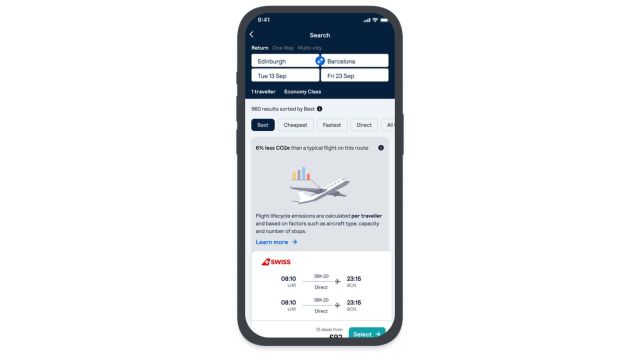
The absolute worst mistake you can make as an exchange student is booking a non-refundable, rigid flight the moment you get your acceptance letter. Visas get delayed. Consulates lose paperwork. If your passport is sitting in an embassy drawer three days before your flight, a cheap ticket suddenly becomes incredibly expensive.
When searching on Skyscanner, you need to prioritize flexibility over the absolute lowest price—at least initially.
- Filter for Flexible Tickets: After entering your route, look at the sidebar filters on the left. Check the box for “Flexible tickets only.” This filters for airlines and booking agents that offer free changes or refundable fares.
- The “Add Nearby Airports” Hack: If you are traveling to a university town (like Heidelberg, Uppsala, or Boulder), don’t just search for the tiny local airport. Check the “add nearby airports” box. Flying into a major international hub (like Frankfurt, Stockholm, or Denver) and taking a cheap student train or bus the rest of the way can save you hundreds of dollars—money better spent on textbooks or coffee.
2. Managing the Student Baggage Nightmare
If you are traveling for a five-day vacation, you can pack light. If you are moving across the world for a year-long exchange program, you are carrying your life in two massive suitcases. This is where budget airline “deals” often turn into expensive traps.
A $40 flight on a ultra-low-cost carrier looks great until you realize they charge $80 per checked bag each way.
- Look Beyond the Base Fare: When Skyscanner presents search results, don’t just click the cheapest option at the top. Use the airline filters to focus on full-service carriers (like Lufthansa, United, or Emirates).
- The “Young Adult” Advantage: Skyscanner indexes student-friendly travel agencies like BYOjet (historically partnered with student discount platforms) and flags airlines that offer youth fares. If you are under 26, some major airlines (such as Lufthansa or United) offer dedicated “Young Adult” discounts that include extra baggage allowances or flexible rebooking.
- Do the Math: Always click through to the final booking page to check the baggage fees before entering your card details. Sometimes paying $100 more for a major airline flight that includes two checked bags is significantly cheaper than a budget flight plus baggage add-ons.
3. The Multi-City Masterclass: Designing Post-Semester Backpacking Trips
The best part of study abroad isn’t always the classroom—it’s the weekends and the weeks of travel after your exams finish. If you want to study in Paris, backpack through Italy, and fly home from Rome, booking separate one-way flights will drain your bank account.
This is where Skyscanner’s Multi-City Search becomes your best friend.
Instead of selecting “Return” or “One way,” toggle the search to “Multi-city.” This tool allows you to chain up to six different flights, all into a single itinerary.
How to use it for an exchange program:
- Leg 1: Your home airport to your university host city (e.g., Boston to Madrid) at the start of the semester.
- Leg 2: Your host city to your travel starting point (e.g., Madrid to Prague) after your finals.
- Leg 3: Your travel endpoint back home (e.g., Munich to Boston) weeks later.
Because Skyscanner scans thousands of combinations across different airline alliances, it can stitch these legs together at a fraction of the cost of individual bookings, and that too while keeping your entire travel itinerary organized in one place.
4. Aligning Travel with Slow-Moving University Grants
Most academic travel—especially for PhD students and researchers presenting at conferences—is funded by grants or university departments. The catch? You often have to show proof of flight pricing to get the grant approved, but you can’t buy the ticket until the funds actually hit your account.
If you wait too long to buy, the price skyrockets, and your grant no longer covers the cost. Here is how to play this high-stakes game:
- Set Up Multiple Price Alerts: Once you identify the flights that fit your conference schedule, tap on the bell icon on Skyscanner which will create a Price Alert. Do this for several different flight options (e.g., the direct flight, the one with a quick layover, and flights departing a day earlier or later).
- Watch the Trend, Not Just the Price: You will get a notification every time the price fluctuates. Now, this gives you concrete data to present to your department head. If a flight jumps by $150, you can screenshot the trend to justify why you need an expedited expense approval.
- The “Cheapest Month” Filter for Flexible Academic Programs: If you are attending a self-paced research program, a language school, or maybe a short course with multiple start dates, then use Skyscanner’s “Cheapest Month” tool. Instead of choosing specific dates, select the entire month you plan to travel. It will then show you exactly which weeks are the cheapest to fly, which will basically allow you to align your academic start date with the lowest travel costs.
5. The “Everywhere” Search: Budget-First Destination Hunting
Sometimes, you get a small travel fellowship that allows you to conduct field research or attend a workshop anywhere in a specific region, but the choice of destination is up to you. If your primary goal is to make the money stretch as far as possible, let the flights make the decision for you.
Type your departure city into Skyscanner, and in the destination box, type “Everywhere.” Skyscanner will organize a list of countries and cities sorted by the absolute cheapest flight prices for your chosen dates. You might find that flying to a research library in Berlin is half the price of flying to one in London, instantly making your fellowship stretch twice as far.
Final Thoughts for the Smart Student Traveler
The secret to successful academic travel is accepting that things will change. Classes get rescheduled, visa appointments get pushed back, and research projects take longer than expected.
Don’t just use Skyscanner to find the absolute cheapest ticket at the bottom of the page. Use its search parameters to find a flight that offers a balance of affordability, baggage allowance, and cancellation flexibility. By setting up your price alerts early and also playing around with multi-city routings, you can keep your travel costs low enough to focus on what actually matters: your education.
Also Read: Lip Balms on TIRA That Rescue Lips From Dryness, One Swipe at a Time