A good story does not become less interesting because it is told in a language you did not grow up speaking. In fact, some of the most memorable viewing experiences come from discovering characters, settings and family dynamics that feel unfamiliar at first but gradually become relatable. Indian entertainment has always had this variety, although the way audiences discover it is changing.
For years, Hindi-language entertainment occupied much of the national streaming conversation. Regional cinema and television had their own loyal audiences, of course, but finding content beyond the most widely promoted titles often required knowing exactly where to look. That is becoming less of a barrier as streaming platforms bring different language options into the same viewing environment.
Language is no longer as much of a boundary
One of the interesting changes in streaming is that viewers are increasingly willing to explore content outside their usual language preferences. Subtitles and dubbing have helped, but so has the simple convenience of having multiple language categories available in one place.
As one scrolls, a viewer who typically consumes Hindi content may come across a Tamil thriller or a Bengali family drama.They might miss some cultural references, but a good story can hold their attention.
And regional storytelling can offer more than just a different language. The settings, humour, relationships and everyday details can introduce viewers to experiences that mainstream entertainment does not always explore.
Local details make stories feel different
There is a certain richness in stories that are comfortable with their own surroundings.
Regional drama doesn’t have to explain every local custom, or translate every cultural reference for a wider audience. It can simply allow its characters to behave naturally within the world they inhabit.
Part of the attraction may be authenticity. The way a family celebrates a festival, the food served during a gathering or the language used between neighbours can give a story a distinct personality.
These details are not decorative additions. They help establish where the characters come from and what matters to them.
Discovery matters as much as availability
Having regional content on a platform is one thing. Helping people find it is another.
A large catalogue can become difficult to navigate when viewers are unsure what to watch next. Language filters, genre categories and recommendations can make a real difference here, particularly for someone who wants to explore a new kind of entertainment without spending half an hour browsing.
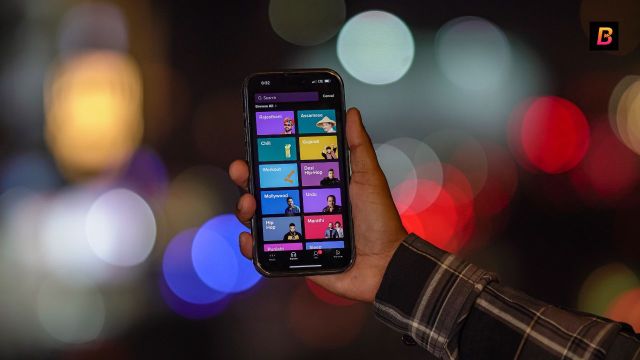
Platforms such as Bullet, which offer content across several Indian languages, are part of this wider shift towards making regional entertainment easier to access. The important part is giving viewers enough choice to move beyond their usual viewing habits.
Indian entertainment does not have to fit one language
There is no single viewing preference shared by an entire country. Some people are comfortable switching between languages, while others prefer watching stories in the language they speak at home. Many do both, depending on the mood and the content.
Streaming has made it easier for these preferences to coexist. A viewer can move from a Hindi drama to a Malayalam story without changing platforms or relying entirely on recommendations from friends.
And that is perhaps the most interesting development. Regional entertainment is not simply waiting to be discovered by a national audience. It already has established audiences of its own. Streaming is giving those stories more opportunities to travel, while allowing viewers to decide for themselves which languages and worlds they want to explore.
Also Read: Why Microdramas Need More Than Just a Good First Episode