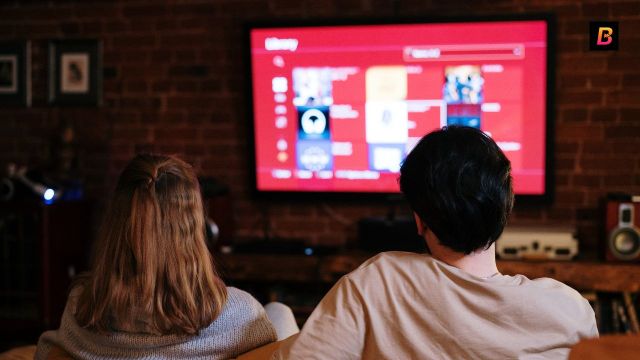
A television is playing in the living room, someone is following a cricket score on their phone, and another person is scrolling through Instagram without really watching either screen. It is an increasingly familiar scene in Indian homes. Entertainment no longer demands that everyone sit down and give their attention to a single device.
The phone has quietly become a companion to television rather than a replacement for it. People might watch a film while checking messages, follow a reality show while reading reactions online or browse short videos during an advertisement break. This habit, often called second-screen viewing, says quite a bit about how everyday entertainment has changed.
One screen rarely holds all the attention
Television used to be a more collective experience. Families would gather around a programme, and the remote control often determined what everyone watched. That still happens, but personal devices have introduced another layer to the experience.
A person might be interested in the programme without wanting to follow every minute of it. They may pick up their phone during slower scenes and return when something interesting happens. Someone watching a live match might keep checking statistics, commentary and social media reactions alongside the broadcast.
The attention is divided, but it is not necessarily absent.
Entertainment has become more personal
The second screen also gives people a way to follow their own interests while sharing a common space.
A family might be watching a film together, but each person has a different phone and a different set of preferences. One checks the cast, another looks up the soundtrack, while someone else sends a particularly funny scene to a friend.
This creates an interesting contrast between shared and individual entertainment. The television provides something everyone can experience together, while the phone offers a more personal stream of content.
It also explains why short-form entertainment has found a place in the same environment. A person who has only a few minutes between television programmes might open a short video or watch an episode of a microdrama on their phone. Platforms such as Bullet cater to this kind of compact viewing, although the appeal of the format is not limited to people who regularly use a second screen.
The experience comes with a few compromises
Having two screens available does not always make entertainment better.
Following a complicated film while scrolling through messages can mean missing important details. Constant notifications can interrupt a programme, and the habit of switching between devices can make it difficult to concentrate on anything for very long.
There is also a difference between using a second screen intentionally and picking up a phone out of habit. Looking up information about a programme can add to the experience. Opening an unrelated application every few minutes can have the opposite effect.
And for households with children, managing screen time becomes another consideration, particularly when television and mobile viewing are happening simultaneously.
The living room is no longer the whole entertainment space
What makes second-screen viewing interesting is that it has changed the meaning of watching something together. People can share a television programme without necessarily sharing the same level of attention, while their phones allow them to pursue completely different interests.
Entertainment now moves between devices according to convenience, mood and available time. A television might remain the centre of the living room, but it no longer has exclusive control over what everyone is watching.
The next time you see someone checking their phone while a programme plays in the background, they may not have stopped watching television. They have simply added another screen to the routine.
Also Read: Why Booking a Holiday Too Far in Advance Isn’t Always a Good Idea