

In a world obsessed with “ticking off” bucket lists, it is easy to treat travel like a marathon. We’ve all been there: four cities in ten days, living out of a suitcase, and returning home more exhausted than when we left.
Now, though, the trend has shifted toward the “slow burn”—prioritising deep immersion over high-speed sightseeing. In short, planning a relaxing travel schedule. If you want to embrace a slow travel lifestyle, the goal is to reduce transit friction and maximise your time on the ground. Here is how to use Skyscanner’s features to build an itinerary that actually lets you relax and enjoy your travel.
1. Master the Multi-City “Gap” Strategy
Slow travel isn’t just about staying in one place; it’s about how you move between regions. Instead of using Multi-City search for back-to-back flights, use it to create “open-jaw” gaps.
The Strategy: Book a flight into one city (e.g., Lisbon) and out of another (e.g., Madrid) three weeks later.
The Benefit: This forces you to find your own way across the landscape in between—whether by regional train, bus, or car. It allows you to discover the small towns and local culture that most travellers fly right over.
2. Let the “Whole Month” Tool Set the Pace
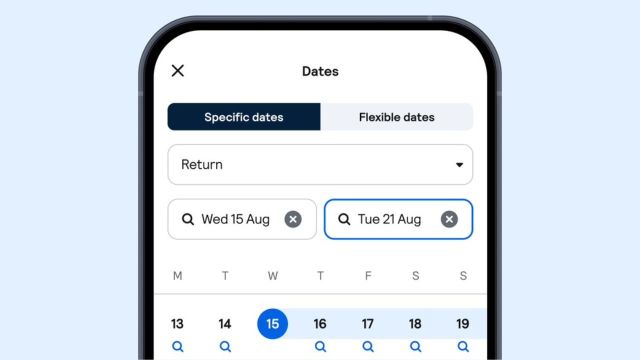
Fast-paced trips are usually dictated by rigid, expensive weekend dates. Slow travel thrives on the “Whole Month” view. When you aren’t rushing to fit a trip into a 4-day window, you can let the data show you the quietest times to arrive.
The Move: Look for the “valleys” in the monthly price graph. Often, a flight on a Tuesday or Wednesday is significantly cheaper. By choosing an off-peak arrival, you aren’t just saving money; you’re typically arriving when the destination is less crowded, setting a much calmer tone for your stay.
The Lifestyle Hack: Use those savings to extend your stay or upgrade to an apartment with a kitchen. Slow travel is about having a “home base” where you actually enjoy spending a rainy afternoon.
3. Filters for a Lower-Stress Journey
If you are prioritizing comfort, the way you get to your destination matters. A “cheap” flight with two long layovers is the opposite of the slow travel philosophy.
The Direct Flight Bias: Use the “Direct Flights Only” filter religiously. Slow travel is about reducing the “noise” of transit. It is almost always worth a slightly higher fare to arrive refreshed rather than spending 12 hours navigating airport terminals.
The “Greener Choice” Factor: Slow travel often aligns with sustainability and so, using the “Greener Choice” filter will help you find flights with lower CO2 emissions. This basically allows you to move through the world with a smaller footprint.
4. Conversational Planning with the ChatGPT App
The most notable addition to the value proposition of Skyscanner in 2026 is the Skyscanner integration within ChatGPT. For slow travellers, this basically replaces rigid search forms with a conversational interface that nicely understands nuances.
Instead of searching for specific dates, you can invoke the app using the @Skyscanner mention to ask broad, lifestyle-based questions. For example: “Find me the cheapest direct flight to any coastal city in Europe for a three-week stay in September.” The AI then analyzes live data to provide you with a visual list of options, which you can then further refine by saying, “Now show me only the ones with mid-day departures.” This conversational loop allows the user to build a low-stress itinerary and that too without the frustration of multiple tabs and filters.
The Bottom Line
Slow travel or relaxed travel is a rejection of the idea that “more” is always better. It is about the quality of the hours spent, not the quantity of the miles covered. By using Skyscanner to find flexible gaps, direct routes, and conversational AI insights, you stop being a tourist and start being a temporary local. You didn’t go away to see everything; you went away to experience something.
Also Read: Study Chairs That Support Your Back During Long Work Sessions