
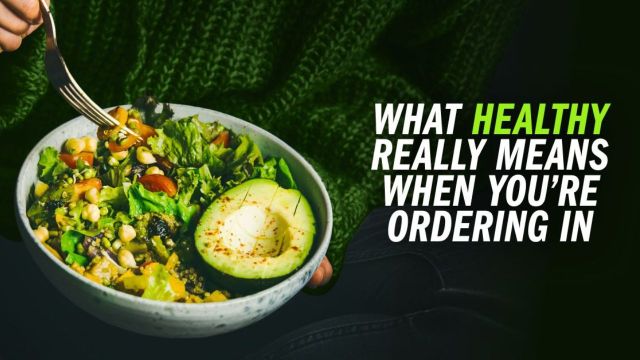
There’s a growing inclination among people to seek both healthy food and convenience, rather than having to choose one over the other. Ordering food online once carried a sense of guilt, as the prevailing assumption was that convenience meant compromise. A quick scroll through a food delivery app typically led to burgers, fried snacks, or heavy comfort meals. However, this trend is evolving. As more individuals monitor their workouts, count calories, or aim to eat healthier during busy weeks, the question of what to order has shifted. It has moved from simply asking “What do I want to eat?” to considering “What fits into my day today?” This change reflects a significant percentage of restaurants listed on Zomato that now cater to this demand for healthier options without sacrificing convenience.

That shift is visible even inside food delivery apps. Platforms are beginning to highlight dishes designed around nutrition rather than just indulgence.
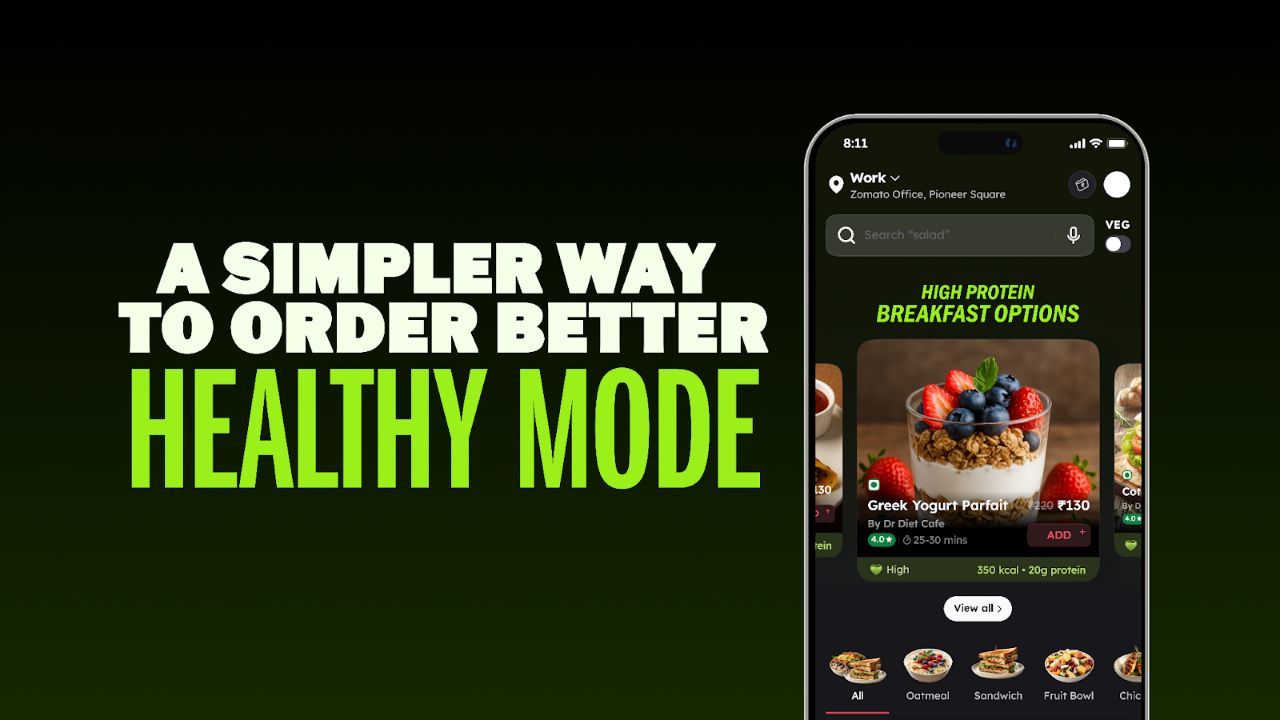
On Zomato, users can explore Healthy Mode, which surfaces dishes that align with balanced nutrition goals. Instead of endlessly scrolling through menus, users might see options like a grilled chicken quinoa bowl, paneer millet khichdi, tofu salad bowls, or brown rice poke bowls from restaurants already available on the platform. The idea is simple: if someone is ordering they should be able to find meals that work with their routine rather than against it.
The Problem With the Word “Healthy”
“Healthy” is one of the most widely used words in food marketing, but it is also one of the least precise. A salad might contain heavy dressing. A smoothie bowl might include large amounts of sugar. Even a grilled meal can carry excess oil depending on how it is prepared.
Nutrition rarely depends on a single ingredient or a single cooking method. What matters more is the overall composition of the meal, how much protein it contains, the type of carbohydrates used, the fat content, and the portion size.
That is why conversations around healthy eating are increasingly moving beyond labels and focusing on nutritional balance.
Calories: Understanding the Basics
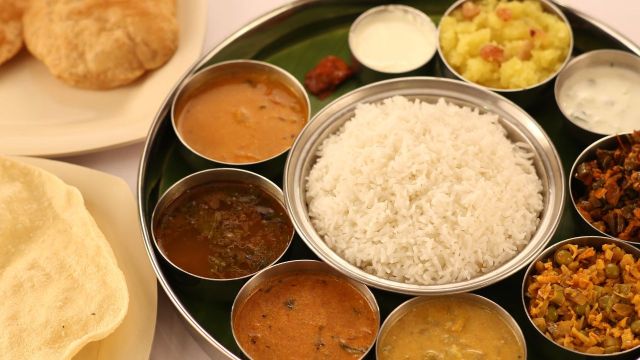
Calories represent the amount of energy a food provides to the body. While calorie counts are often the first number people notice, they are only one part of the story.
Two dishes can have similar calorie counts but very different nutritional outcomes. For example, a grilled chicken bowl with vegetables and brown rice may provide protein, fibre, and steady energy. A creamy pasta dish with similar calories may contain more saturated fats and fewer micronutrients.
Many users today simply look at calories to keep a rough sense of daily intake rather than treating the number as a strict rule.
Macros: The Building Blocks of Meals
People often use the terms “macros” or “macronutrients” when they talk about tracking their nutrition. These are proteins, carbs, and fats.
Protein helps rebuild muscles and makes you feel full. People who eat meals with more protein tend to stay full longer. Carbs provide you energy, which is especially important for people who are active. Fats are important for many biological processes, but the kind of fat is important too.
This is why many health-focused dishes — including several visible in Zomato’s healthy listings — often feature combinations such as grilled chicken with vegetables, paneer with millet, tofu with soba noodles, or chickpea bowls with greens. These dishes try to balance the macro profile instead of focusing on just one nutrient.
Ingredients and Cooking Methods
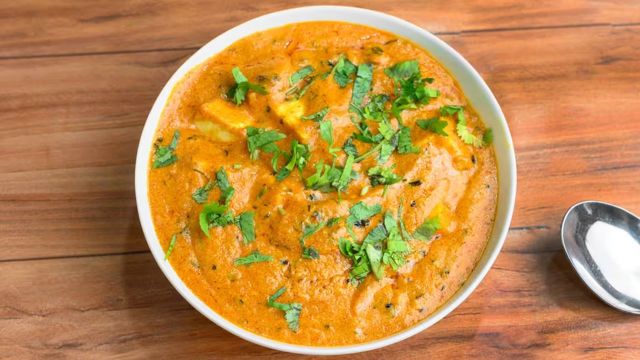
Ingredients and preparation methods can also change the nutritional value of a meal. Whole grains, lentils, vegetables, lean meats, and legumes tend to provide fibre, vitamins, and minerals. Cooking styles such as steaming, roasting, grilling, and sautéing generally use less oil than deep frying.
For example, someone browsing Zomato may find a grilled paneer salad, a millet-based Buddha bowl, or a protein-rich rajma rice bowl listed alongside traditional comfort dishes. Having both options visible allows users to choose based on their preference for that day.
The Role of a Healthy Score
To simplify decision-making, nutritionists increasingly use nutritional scoring systems. In Zomato’s case, the Healthy Score is calculated using a weighted score of the dish across several parameters such as protein density, micronutrients, saturated fats, and overall nutritional composition. They are classified as low, medium and high.
This score is then segregated into categories so that users can quickly identify which dishes meet certain health thresholds. Instead of examining detailed nutrition charts for each dish, the score offers a quick indication of the meal’s nutritional balance.
Healthy Ordering Is About Choice
Ultimately, healthy ordering emphasises more informed choices rather than strict rules. Food delivery platform Zomato has become a regular part of daily eating habits, especially in busy city routines. Some evenings call for comfort food. Other days people may want something lighter before a workout or a meal that helps them stay within their nutrition targets.
Healthy Mode on Zomato simply expands the menu in that direction. A user opening the food delivery app might choose a grilled chicken salad from one restaurant, a tofu quinoa bowl from another, or a rajma brown rice combo that provides fibre and protein. The key shift is that ordering food no longer automatically pushes people away from their health goals. Healthy ordering, at its core, means being able to see what’s in your food, knowing where it comes from, and finding meals that fit your needs.
Ordering food is no longer just about convenience or indulgence, as platforms like Zomato now enable users to make informed nutrition choices through calorie counts, macro breakdowns, and Healthy Scores, making balanced eating easier within everyday routines
Also Read: Foods Ordered for Children After School