
A weekend breakfast can begin with one person asking for aloo paratha and end with the household debating fillings. Someone prefers gobi, another wants mooli and the person placing the order is left counting portions while the tea brews.

In November, as mornings begin to cool in parts of India, parathas can provide a reason to gather around the breakfast table. Ordering them gives everyone a choice without requiring someone to prepare several fillings and cook each portion.
The planning starts with three questions: who is eating, which filling do they want, and what should come alongside it? Aloo, gobi and mooli parathas can share the table, but checking quantities and accompaniments helps the order fit the household.
Aloo paratha: Start with the household’s preferences
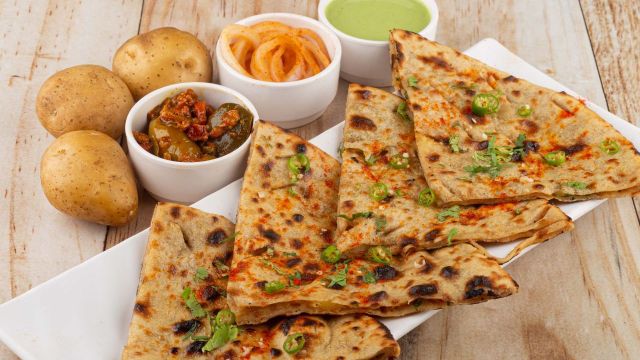
Aloo paratha can be the starting point for those who enjoy a potato filling. Before adding several portions to the cart, ask who wants it rather than assuming it will be everyone’s choice.
Read the menu description for ingredients and seasoning. The filling may include onions, chillies, coriander or other additions, depending on the restaurant. If someone avoids an ingredient, check whether the kitchen can accommodate a request.
Portion details matter. A listing may cover one paratha, a pair or a meal that includes curd and pickle. Confirm the format before comparing prices or deciding how much to order.
If breakfast is likely to run into lunchtime, ask about appetites before adding extras. Some people may want another paratha, while others would rather begin with one and share something else.
Gobi paratha: Give the filling its own place
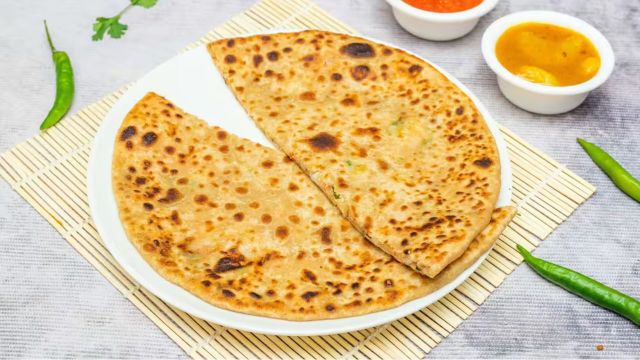
Gobi paratha offers a cauliflower-based choice for those who want a change from potato. Including it in the order can accommodate a preference without requiring the whole household to choose the same breakfast.
Check how the restaurant describes the preparation. Seasoning, onions and other ingredients can vary, so the dish name alone may not answer every question.
If people want to try both aloo and gobi, decide which portions will be shared. Cutting parathas into sections at the table allows everyone to taste each filling, while keeping a portion aside for anyone who wants only their chosen dish.
Keep accompaniments separate until serving. This lets people choose between curd, pickle, chutney or butter without dressing every plate in advance.
Mooli paratha: Confirm who wants it before ordering
Mooli paratha brings a radish filling to the breakfast order. Its flavour may appeal to some family members more than others, so check preferences before including it in a sharing platter.
Read the listing for details about seasoning and preparation. If the menu provides little information and an ingredient matters to someone eating, contact the outlet before checkout.
As with the other fillings, check whether the order contains a single paratha or a set. Avoid using photographs as a measure of size or quantity.
If several types arrive together, identify them before serving. Keep any labels with the containers until you know which filling is which. This saves everyone from cutting into multiple parathas to find their breakfast.
Choose the accompaniments before adding more food

Curd, pickle and butter may already be included in a paratha meal. Review the order before buying separate portions, particularly when ordering several sets for the family.
Consider what is available at home, too. If there is curd in the refrigerator and pickle on the shelf, you may only need the parathas. Tea can be prepared around the delivery estimate so it reaches the table when people are ready.
There is no need to add another breakfast dish unless someone wants it. Three fillings already give the household room to choose.
Bring everyone to the table at the same time
Before placing the order on Zomato, confirm that people will be ready to eat when it arrives. Check the items on delivery, set out plates and serve the accompaniments in bowls with spoons. A November weekend breakfast does not need a menu that keeps expanding. Aloo paratha for one person, gobi for another and mooli for someone who has been waiting for it can be enough to bring the morning together.
Also Read: Why the Way Ghee Is Made Matters More Than You Might Think