

An evening cup of tea, dinner with the family or friends dropping by can all lead to the same question: should we order something sweet? In November, when evenings begin to cool in parts of India, the conversation may turn to gajar halwa, gulab jamun or jalebi.

Each fits a different moment. Gajar halwa can be served after dinner, gulab jamun makes it easier to plan individual portions and jalebi can join the table while the tea is brewing. Choosing between them depends on when you want to eat, how many people are sharing and what else is being served.
Before placing an order on Zomato, settle those details. A dessert order for two people finishing dinner needs a different approach from one for relatives gathering over chai.
Gajar halwa: For a dessert you can portion at the table
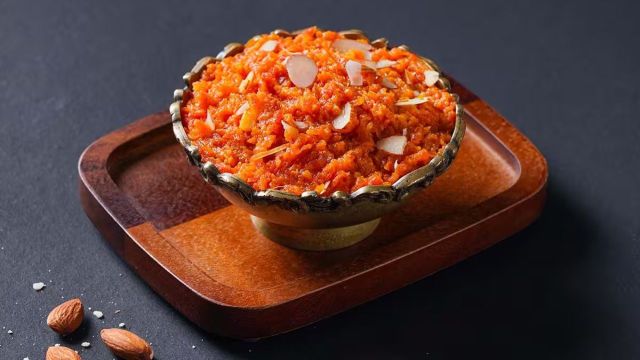
Gajar halwa gives everyone room to decide how much they want. Someone who has finished dinner may take a spoonful, while another person may return for more.
Check how the restaurant or sweet shop lists the quantity. An individual serving, a container sold by weight and a family pack may contain different amounts. Use the description to plan rather than judging the portion from a photograph.
Ingredients also deserve attention. Preparations may include milk, khoya, ghee and nuts, with recipes varying between sellers. If someone has an allergy or avoids an ingredient, ask the outlet when the listing does not provide enough information.
For serving, transfer the amount you need into a bowl and keep a spoon alongside it. If you prefer the halwa warmed, follow the seller’s reheating instructions and use a suitable vessel. There is no need to add ice cream or another accompaniment unless people want it.
Gulab jamun: Start with the piece count

Gulab jamun offers a way to plan dessert around the number of people eating. The first step is to check whether the listing is priced per piece, per serving or by weight.
If it is the only dessert, ask how many pieces people expect to eat. If it follows a meal with several courses, smaller servings may suit the group. Ordering by habit can leave more than anyone has room for.
Size varies between outlets, so a serving from one seller may not match another. Where the menu gives a piece count or weight, use that information before choosing quantities.
Serve gulab jamun in bowls that can hold the syrup. If you are also offering halwa or jalebi, let guests choose their dessert before filling every bowl.
Jalebi: Plan around tea and arrival time
Jalebi can turn a tea break into a gathering, particularly when everyone is ready to sit down together. It can also be served after dinner, though the timing of the order matters.
Its texture can change while it sits in packaging. Check the delivery estimate and place the order close to when you intend to eat, rather than leaving it waiting while guests arrive.
Menus may list jalebi by weight or portion. Consider whether it will be shared alongside snacks or served on its own. If samosas or kachori are already part of the tea order, the group may want less dessert.
Rabri is another decision. Check whether it comes with the jalebi or needs to be added separately. Serving it on the side allows guests to choose the combination they prefer.
Choose for the evening you have planned
There is no need to include all three desserts in every order. Jalebi may fit a gathering around chai, while gajar halwa or gulab jamun can follow dinner. For a group with different preferences, two options may provide enough choice.
Confirm dietary requirements, check quantities and follow the outlet’s storage instructions if dessert will be served later. Set out bowls, plates and serving spoons before bringing it to the table.
The order can be modest: a portion of halwa to share, enough gulab jamun for those who want it, or jalebi to accompany a second cup of tea. What matters is matching the dessert to the people and the moment.
Also Read: What Should You Look for on a Ghee Label Before Buying It?