Lazy weekends change how families eat. Mornings stretch longer, routines loosen, and the pressure to plan meals fades. In many homes, cooking feels optional rather than necessary. This is when ordering food becomes less about convenience and more about giving everyone a break.
Across Indian households, weekend orders on Apps like Zomato is chosen to suit different age groups, allow flexible eating times and create a sense of togetherness without effort. Moreover, Zomato has Buy one Get one offers as well, for quite a valuable deal.
Big meals that anchor the day
Weekends often revolve around one main meal rather than three structured ones. Families order food that can sit at the centre of the table and be eaten over time. Biryani, family packs of pulao, large curry-and-rice combinations, or meal boxes fit this role well.
These meals work because they do not demand everyone to eat at the same time. People can serve themselves, take breaks and come back. The food holds well and reduces the need for constant reheating.
North Indian spreads made for sharing
North Indian food is a frequent weekend choice because it naturally suits sharing. Dal, paneer, vegetable curries, and breads arrive in portions that can be mixed and matched. Families often order a few mains and let everyone decide how much to eat.
This format works well when preferences differ. Someone can eat light, someone else can go for seconds, and nothing feels forced. The meal becomes a relaxed activity rather than a fixed event.
South Indian meals that feel complete
In many homes, especially in the south, weekends bring out full South Indian meals. Thalis, meal boxes, or combinations of rice, sambar, rasam, vegetables and curd are ordered for lunch. These meals feel familiar and suit all age groups.
They are often chosen when elders are at home or when families want food that feels balanced. Everything arrives ready, which makes serving easy and keeps the kitchen clean.
Snacks that stretch into meals
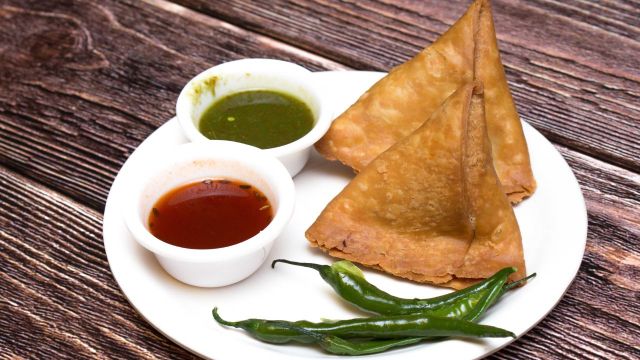
Lazy weekends often blur the line between snacks and meals. Families order samosas, vadas, pakoras, chaats, or rolls and let the eating happen slowly. These orders usually start in the afternoon and continue into the evening.
This kind of food supports conversation and movement. People eat when they feel like it, rather than sitting down together at a fixed time. It also works well when the day has no clear plan.
Indo-Chinese favourites for relaxed evenings
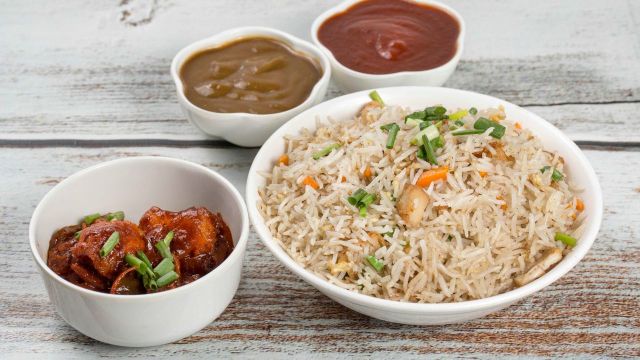
By evening, many families turn to Indo-Chinese food. Fried rice, noodles, Manchurian, and chilli chicken are popular because they can be shared easily and eaten without much setup.
These meals are often ordered when everyone is tired of deciding. One or two large items replace a complex menu, and the evening flows without interruption.
Desserts that signal the weekend

Weekend meals often end with dessert, even if the main meal was casual. Ice cream tubs, gulab jamun, rasmalai or brownies are ordered to mark the difference between weekdays and weekends.
Desserts also work well when family members eat at different times. They can be served later without affecting the meal.
Why weekend family orders look different
On lazy weekends, families prioritise ease over structure. The food needs to suit multiple people, allow flexible timing, and avoid waste. Reliability matters more than novelty, and portion size matters more than presentation.
Lazy weekends are not about perfect meals. They are about slowing down together. The food ordered reflects that mood, simple, shared and easy to live with.
Also Read: Office Lunch Orders That Balance Speed and Satiety