Open-ended travel is the ultimate flex, but it’s also a logistical puzzle. When you’re heading out on a sabbatical or a “see where the wind takes me” project, a fixed return ticket feels like a ball and chain.
The old-school advice was to always book a return to save money. Today, that’s not necessarily true, and the cost of changing a flight later can often swallow any initial savings. If you want to keep your exit strategy open without going broke, you need a different approach.
1. The Power of the One-Way Ticket
The “One-Way” search used to be a trap for expensive last-minute fares. Now, with the rise of budget carriers and more transparent pricing, booking two separate one-ways often costs the same as a round-trip.
Booking a one-way is essentially a form of insurance for your freedom. You don’t have to worry about “change fees” or “fare differences” because you haven’t committed to a timeline yet. It allows you to focus 100% on the arrival, leaving the “how” and “when” of the return for later.
2. Using “Everywhere” as an Exit Strategy
When you don’t have a fixed return date, you probably don’t have a fixed return location either. You might start your journey in Lisbon but find yourself in Marrakesh three months later.
When you’re finally ready to head back, use the “Everywhere” search from your current spot. Instead of asking “How much to get home?”, ask “Where is the cheapest place to fly from here?” Sometimes, hopping to a nearby hub like London or Dubai on a cheap local flight and then booking a long-haul home is half the price of a direct flight from a remote outpost.
3. The “Flexible Ticket” Filter
If you absolutely must book a return—perhaps for visa requirements or just peace of mind—the Flexible Ticket filter is non-negotiable.
This highlights fares that allow for date changes or cancellations without the usual massive penalties. While these might have a slightly higher upfront cost, they are built for uncertainty. If a project gets extended or you just fall in love with a city and want to stay another month, you can move your flight for a small fee rather than losing the entire value of the ticket.
4. Open-Jaw Trips with Multi-City
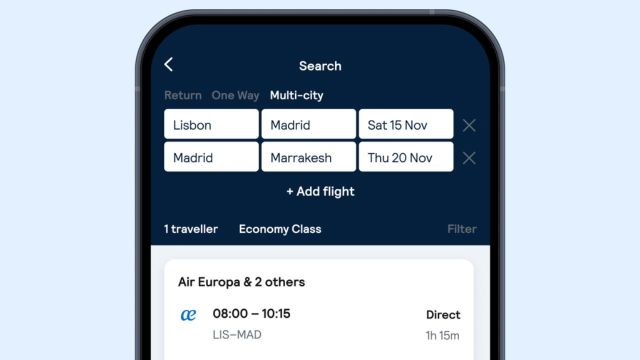
If you know you’ll be wandering through a specific region (like Southeast Asia) but aren’t sure where you’ll finish, the Multi-City tool is a great alternative.
You can book “Home to Bangkok” and “Singapore to Home” on the same itinerary. This is known as an “Open-Jaw” flight. It gives you a clear start and end point while leaving the middle of your trip completely open for spontaneous trains, buses, or maybe even local flights. Most of the time it’s cheaper than two separate one-ways and keeps your entire plan under one booking reference.
5. Setting “Eventually” Price Alerts
Just because you don’t know the day you’re coming home doesn’t mean you can’t watch the market.
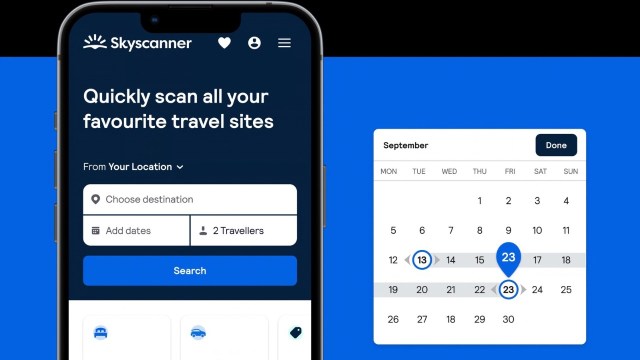
If you have a rough window—say, “sometime in late September”—set up Price Alerts for a few different dates across that month. Skyscanner will ping you when the baseline price for your route drops. When that “Price Drop” notification hits your inbox and fits your remaining budget, it’s a clear signal that it might be time to lock in the return leg.
The Bottom Line
Open-ended travel is about embracing the unknown, but your bank account still needs a plan. By utilizing one-way strategies and flexible filters, you maintain your mobility without the fear of a massive rebooking fee. Also, it lets the journey dictate the schedule, rather than the other way around.
Also Read: How Skyscanner Helps Travelers Explore New Routes and Unusual Flight Paths