
Naan gets the glory — it’s the one photographed for restaurant menus, brushed with butter, torn dramatically over butter chicken in every food video ever made. But almost nobody’s making naan at home. No tandoor, no yeast dough resting for hours. The bread actually feeding India every single day is roti, rolled thin on a kitchen counter and cooked on a plain tawa in under two minutes. Naan is what you order out. Roti is what you eat. Worth remembering next time someone acts like naan defines Indian bread.

Roti Doesn’t Need to Be Interesting to Be Essential
There’s no drama to roti-making, and that’s exactly the point. Whole wheat flour, water, a rolling pin, a hot tawa — it puffs up if you’ve got the technique right, stays flat if you don’t, and either way it does its job of scooping up whatever sabzi’s on the plate that night. Every household has its own rhythm for making it: some brush ghee the second it comes off the flame, some don’t bother. It’s the bread equivalent of a house key — unglamorous, used constantly, never really thought about until it’s missing.
Naan Earned Its Reputation Honestly, Though
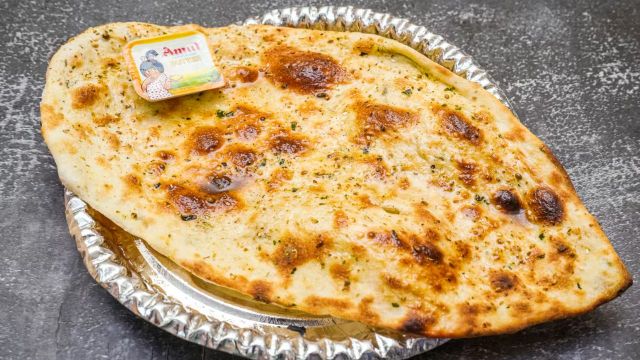
Credit where due: naan at its best — soft, faintly chewy, blistered at the edges from tandoor heat — genuinely deserves the hype. Traditionally it’s refined flour worked with yogurt, which is what gives it that pillowy stretch roti can’t replicate. Garlic naan, butter naan, cheese naan — restaurants have run every variation possible, and paneer makhani or butter chicken practically demand it. This is occasion bread. Sunday dinner bread. Nobody’s making it on a Tuesday before work.
Paratha Turned Breakfast Into an Event
Punjab and Delhi treat paratha less like a menu item and more like a household institution — aloo paratha, gobhi paratha, paneer paratha, sometimes a sweet jaggery-stuffed version that catches people off guard the first time. Fried in ghee till the outside crisps and the inside stays soft, served with a dollop of curd and pickle on the side. This is the one bread on this list that takes actual time and gets eaten slowly anyway, usually with the family still in pajamas.
Pav’s Backstory Is Weirder Than People Realize
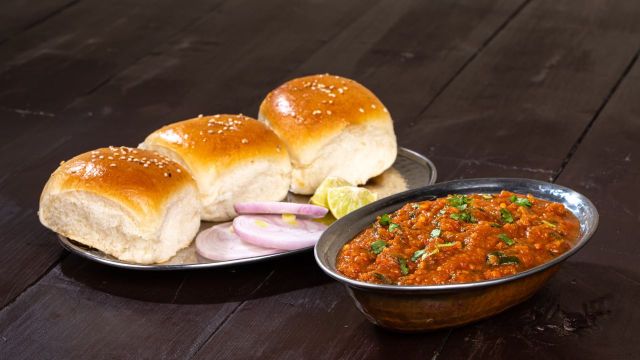
Here’s the thing about pav bhaji, vada pav, and misal pav — none of them would exist without Portuguese colonial bakers who introduced the soft bread roll to Goa centuries ago. That little buttery bun holding together some of Mumbai’s most identity-defining street food has a European passport, technically. Toasted with a smear of ghee till the edges go golden, it’s the bread that keeps the entire vada pav economy running — fast, cheap, built for eating standing up on a busy street.
The Imports That Actually Stuck
Pita arrived with the Mediterranean food wave and found its footing fast — that hollow pocket, baked at high heat, turns out to be perfect for stuffing with falafel or shawarma, and it’s light enough that people who find Indian breads too heavy have happily adopted it. Hummus and tzatziki did the rest of the convincing.
Sourdough is the newer arrival, and the one people talk about like it’s a personality trait now. No commercial yeast, just patient natural fermentation that takes days instead of hours — the payoff is a crusty shell, an airy chewy crumb, and a slightly sour edge that makes plain buttered toast taste like something worth Instagramming. Indian bakeries have taken to it fast, which says something about how quickly a very slow, old-world baking method became a weekend brunch flex.
Focaccia sits somewhere in between — olive oil, herbs, maybe some cherry tomatoes or olives pressed into the top before baking. It’s less about function and more about smell; a warm slice next to soup or salad does most of the work without trying hard.
Getting Any of This Without the Kneading
Making roti at home is one thing. Attempting sourdough from scratch on a random Wednesday is a different level of commitment entirely, and most people rightly skip it. Zomato covers the full spread — garlic naan alongside your curry order, a cheesy stuffed paratha for a lazy breakfast, or a proper sourdough loaf for weekend brunch — no flour on the counter, no dough proofing required.
Also Read: If You Like It Hot: 5 Indian Snacks That Don’t Hold Back