
Health tracking has improved a lot over the years. You can see your sleep score, recovery levels, heart rate trends, all of it in one place. But there’s still a gap.

You know what changed. You don’t always know why.
That’s exactly the problem Ultrahuman is trying to solve with Smart Tags on the Ring AIR. Instead of just showing you numbers, it adds context, the missing layer that explains what might have caused those changes in the first place.
The missing link between habits and data
Most people can relate to this. You wake up, check your sleep score, and it’s lower than expected. But nothing obvious stands out.
Was it the late dinner? That workout? A couple of drinks? Stress?
Without context, it’s mostly guesswork.
Smart Tags are designed to fill that gap. They let you annotate your data with real-world actions, things like meals, workouts, supplements, or even how you were feeling. This actually helps build a clearer picture of how your daily habits affect your body.
How Smart Tags work without adding effort
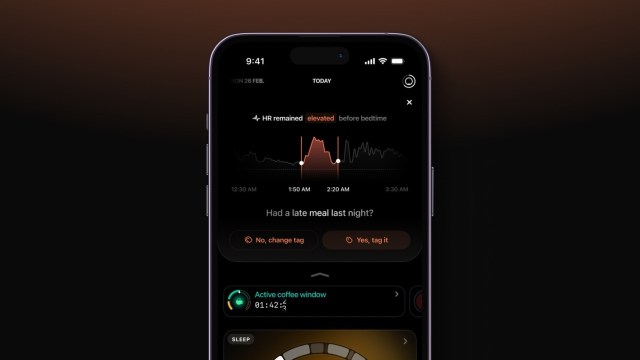
Ultrahuman notes that this feature doesn’t rely entirely on manual input. The system looks at changes in your biomarkers and suggests tags automatically. You’ll get prompts in the app, and you can confirm them with a tap or tweak them if needed.
For example, if your heart rate stays elevated late into the night and your temperature is slightly higher, the app might suggest a late-night meal. Instead of logging everything yourself, you’re just validating what the system detects.
There’s also a set of Auto Tags that require no interaction at all. These are applied based on patterns, things like staying up late, oversleeping, or signs of strain on your system.
If you want more control, you can still manually tag anything, from a new supplement to something as specific as cramps or medication.
From isolated events to actual patterns
Where Smart Tags become useful is over time.
One tag doesn’t tell you much. But repeat it a few times, and patterns start to show up.
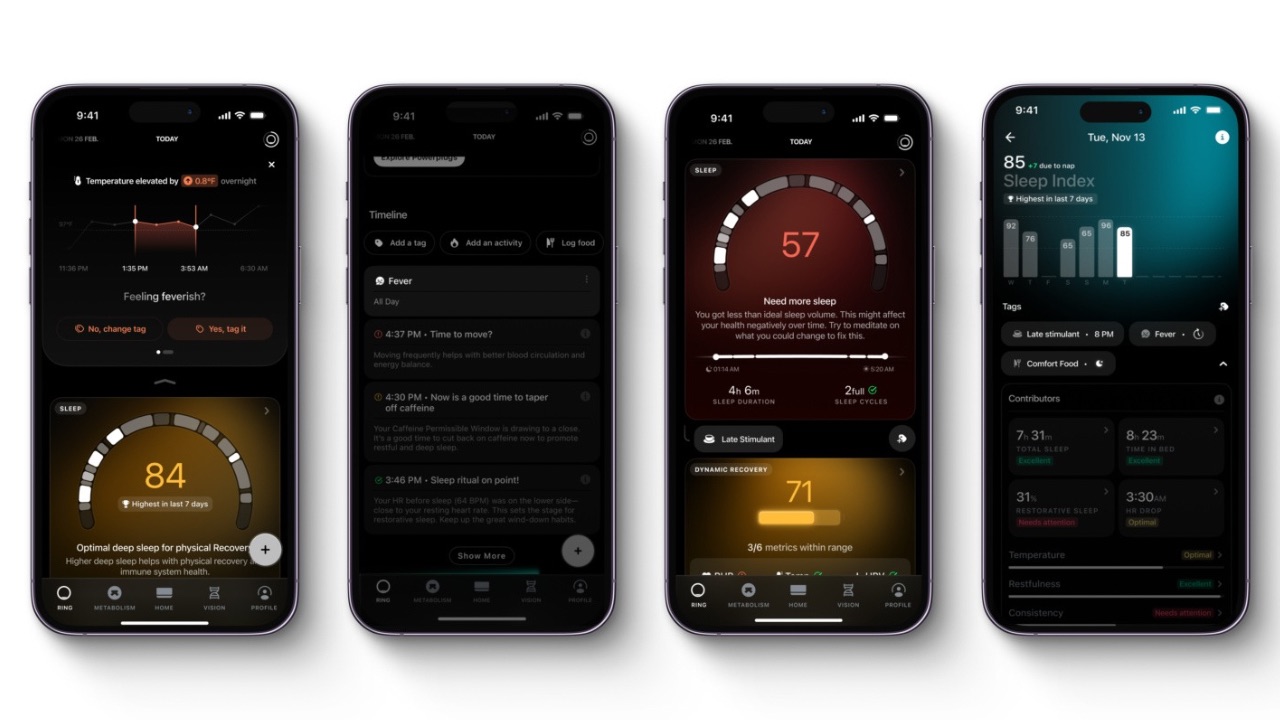
You might notice that late meals consistently affect your sleep. Or that certain workouts improve your recovery. Or that something you thought was helping, like a supplement, isn’t really making a difference.
It shifts the experience from just tracking data to actually learning from it.
There’s also a broader layer where you can see how others respond to similar tags, which adds a bit of perspective beyond your own data.
Also Read: How Ultrahuman Is Changing Preventive Healthcare Through Smart Wearables
Making the data easier to interpret
Another small but important detail is where these tags show up.
They’re not buried in a separate section. They appear alongside the metrics they influence.
So if something affects your sleep, you’ll see it next to your sleep data. If it impacts recovery, it shows up there. That makes it easier to connect cause and effect without digging through multiple screens.
Who this is actually useful for
If you’re someone who just checks your scores and moves on, Smart Tags might feel optional.
But if you’ve ever tried to improve your sleep, tweak your routine, or experiment with habits, this becomes much more valuable.
It gives you a way to validate what’s working and what isn’t, instead of relying on assumptions.
A small feature that changes how you read your data
Smart Tags don’t introduce a new metric. They don’t add another score to track.
What they do is make the data you already have easier to understand.
And that’s arguably more useful.
Because at some point, better health tracking isn’t about collecting more numbers. It’s about knowing what to do with them.