

Wearable tech has mostly followed a familiar pattern. Minimal designs, muted finishes, and a clear focus on function over form.

The Ultrahuman Diesel Ring takes a different route.
It’s essentially the same Ring AIR at its core, but reworked through Diesel’s design language. The result feels less like a piece of health tech you have to wear and more like something you’d choose to wear anyway.
First, what’s actually different?
On the functionality side, not much has changed, and that’s intentional.
You’re still getting the same core experience as the Ultrahuman Ring AIR. That includes sleep tracking, heart rate variability, temperature trends, movement insights, and recovery analysis. Features like circadian rhythm tracking, caffeine timing, and cycle insights are all part of the package.
Battery life, syncing, and the no-subscription model also remain the same.
Where things shift is almost entirely in design and positioning.
A ring that leans into identity, not just utility
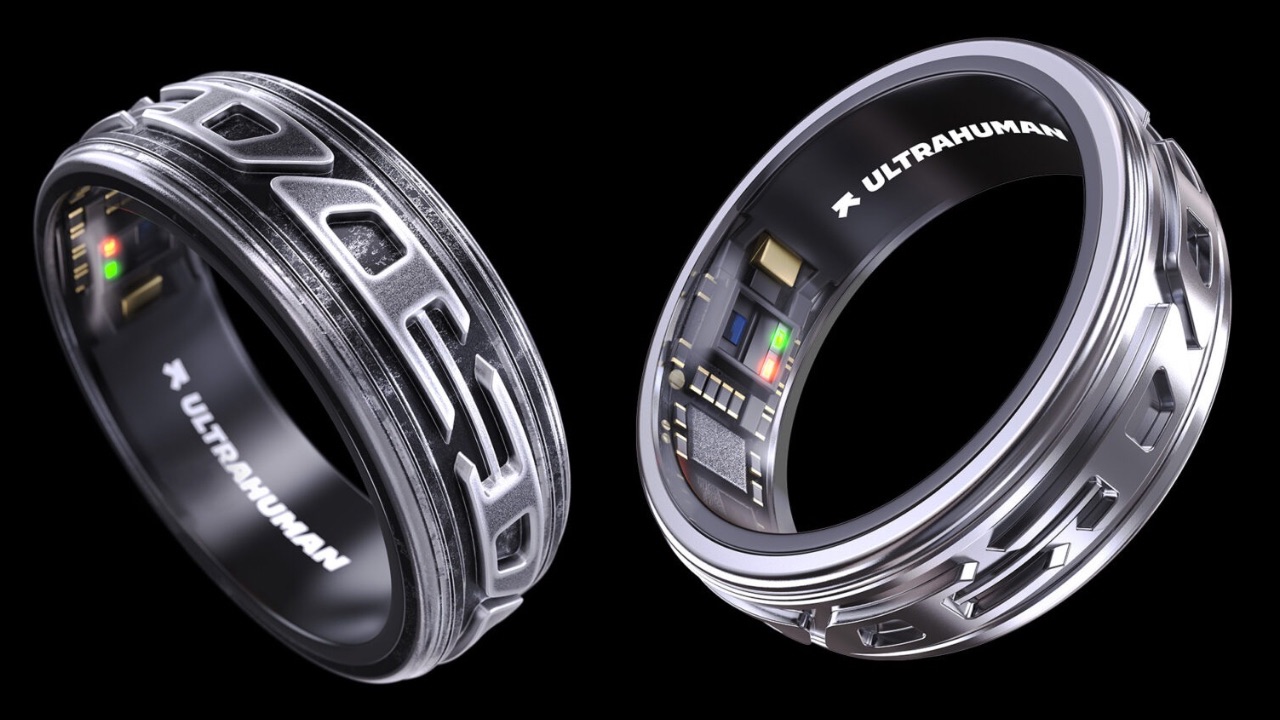
The Diesel edition comes in two finishes, shiny silver and distressed black, both carrying Diesel’s signature Double D logo. It’s noticeably more expressive than the standard Ring AIR, which usually sticks to cleaner, understated tones.
Even the accessories follow that direction. The charging base, cable, and packaging all carry Diesel’s bold red aesthetic, making the entire product feel more like a fashion item than a piece of tech.
This is the biggest difference.
The regular Ring AIR is designed to blend in. The Diesel version is designed to stand out.
Also Read: Ultrahuman Ring AIR vs Ring PRO: Features, Health Tracking, and Which One to Choose
Same insights, different appeal
Underneath the design, the health tracking remains unchanged.
The ring still focuses on helping you understand how your body is performing and recovering. It tracks sleep quality, monitors heart rate variability, and looks at temperature changes to give a broader view of your health.
There are also more specific insights layered in.
Circadian rhythm analysis helps you understand how your daily habits, especially light exposure and activity, affect your energy levels. The caffeine window suggests when to consume stimulants without disrupting sleep. And cycle tracking offers biomarker-based insights for those who need it.
So in terms of capability, you’re not gaining or losing anything compared to the standard version.
Why this collaboration exists in the first place
This kind of partnership isn’t really about adding new features.
It’s about expanding who the product appeals to.
A lot of wearable tech still feels very “tech-first.” It works well, but it doesn’t always fit into personal style. By bringing Diesel into the picture, Ultrahuman is trying to make the ring feel more like an accessory you’d wear regardless of the tracking.
For some people, that makes a real difference. If a device looks better, you’re more likely to wear it consistently, and consistency is what makes the data useful.
So who should consider it?
If you’re already planning to buy the Ring AIR purely for its health tracking, the Diesel version doesn’t give you extra functionality.
But if design matters to you, or if you’ve hesitated to wear a smart ring because of how it looks, this version makes a stronger case.
It’s also clearly aimed at users who see wearables as part of their personal style, not just a tool running quietly in the background.
The bigger picture
The Ultrahuman Diesel Ring doesn’t try to reinvent what the Ring AIR does.
Instead, it changes how it fits into your life.
Same data, same insights, same performance. Just a very different approach to how it looks and feels on your hand.
And for a lot of people, that might be the difference between wearing a device occasionally and wearing it every day.
The Ultrahuman Ring Diesel is available including in the UK (£469), the EU (€559), Japan (¥84,800), Australia (A$879), the UAE (AED 1,929), and India (₹43,889) — through selected Diesel stores, diesel.com, ultrahuman.com, and leading retail partners.